What Does it Take to Deliver a Successful MEP Installation?
MEIS have a wealth of experience delivering Mechanical, Electrical and Plumbing (MEP) installations for organisations across the UK and Ireland. Our mechanical and electrical engineers and project managers have completed various MEP projects within commercial office buildings local to MEIS headquarters in Belfast, Northern Ireland.
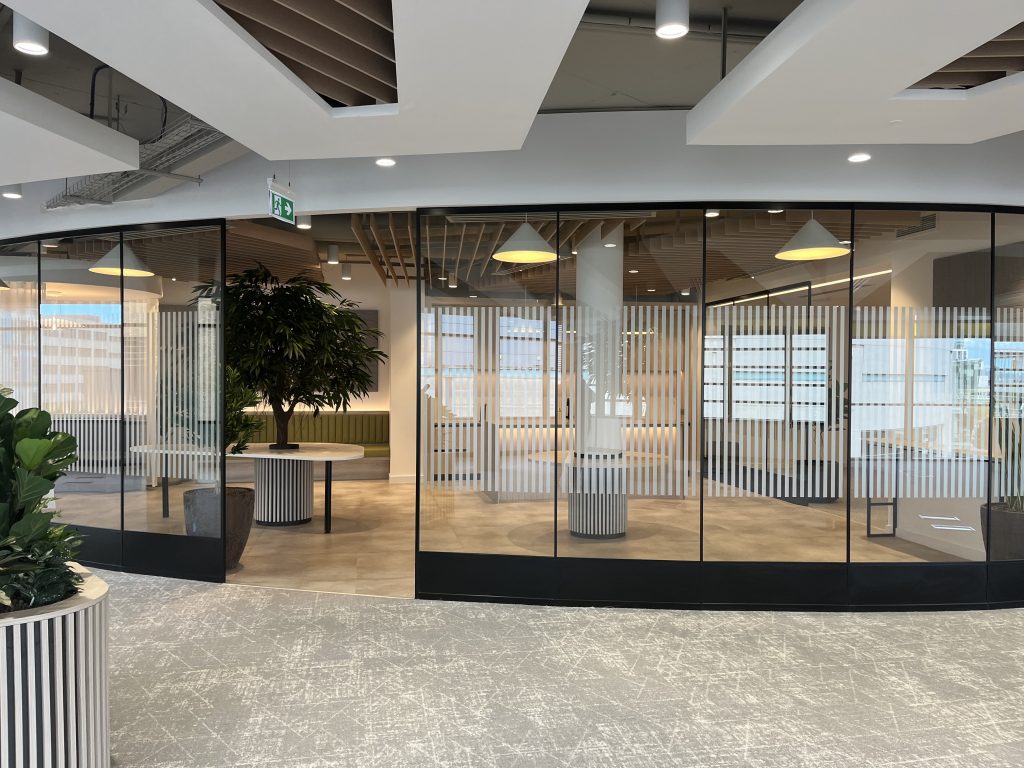
Examples include full office fitouts and MEP works for:
· Advertising company, Magnite, Belfast
Key Success Factors for MEP Installations
Delivering a successful MEP installation project for a commercial office building requires a combination of skills, including effective planning, coordination, execution, and quality control across all strategic, technical, and operational aspects of the project.
1. Comprehensive Planning and Design Coordination
Comprehensive project planning prior to work commencing on site is essential. This stage includes:
Early-stage integration of MEP systems with architectural and structural designs
This ensures that spatial requirements, service routes, and equipment locations are fully coordinated from the outset. By aligning these disciplines early, potential clashes, design conflicts, and inefficiencies can be identified and resolved before construction begins. This reduces costly rework and delays. It also enables more efficient use of space, improves system performance, and supports smoother project delivery through better collaboration among all stakeholders.
Use of BIM (Building Information Modelling)
By creating a shared 3D digital model that integrates architectural, structural, and MEP systems in a single environment we can identify clashes before construction begins. It enables our designers and engineers to visualise how services fit within the building, identify clashes between systems early, and optimise routing and space allocation. BIM also improves collaboration between all project teams, enhances accuracy in design, and supports better decision-making, ultimately reducing errors, rework, and project delays.
Clear design documentation, specifications, and installation sequences
This provides a structured and consistent reference for all project stakeholders, ensuring that system requirements, materials, and standards are clearly defined. It reduces ambiguity and supports accurate coordination between disciplines. Our well-defined installation sequences also help streamline construction activities, minimise errors, and improve efficiency, ultimately reducing rework, delays, and cost overruns. This ensures that spatial requirements, service routes, and equipment locations are fully coordinated from the outset. By aligning these disciplines early, potential clashes, design conflicts, and inefficiencies can be identified and resolved before construction begins. This reduces costly rework and delays. It also enables more efficient use of space, improves system performance, and supports smoother project delivery through better collaboration among all stakeholders.
Comprehensive planning and design coordination prevents costly rework, delays, and on-site conflicts.
2. Compliance, Quality & Safety Management
An effective MEP installation requires each team involved in the installation to apply rigorous compliance procedures including:
Compliance with Regulations & Standards
Adherence to local building codes, health and safety regulations, and environmental standards is a critical priority for our lead MEP installation team throughout both design and delivery. Their practical input ensures all systems are developed, installed, and commissioned in full compliance with certification requirements. Our proactive approach helps mitigate the risk of non-compliance, which could otherwise result in legal issues, project delays, or shutdown
Quality Assurance & Quality Control (QA/QC)
Our project managers implement rigorous quality checks throughout each project to ensure that MEP systems operate as designed and comply with all regulatory standards. This includes the development of Inspection and Testing Plans (ITPs), along with pre-installation checks, in-process inspections, and comprehensive final testing and commissioning of all MEP systems.
Health & Safety Management
Health and safety are paramount considerations for our MEP installation teams to protect personnel and minimise the risk of accidents and delays. We implement site-specific safety plans that include regular training, audits, and comprehensive risk assessments for all MEP activities, such as electrical works and confined space operations.
Risk Management
Our M&E team proactively identifies potential risks at every stage of the project, including design clashes, programme delays, and supply chain issues. Drawing on their experience, they develop practical mitigation measures and maintain contingency plans to address any unforeseen challenges. This structured approach to risk management helps minimise disruption and ensures the project remains on programme and within scope.
3. Effective Project Management
Robust project management procedures are key to delivering an effective MEP installation. At MEIS, we attribute the success of our project management to having the following vital elements in place:
Senior Project Manager
Our MEP projects are project managed by one of our experienced company directors, who have decades of experience in designing and implementing effective MEP installations. Alongside strong leadership, effective project management relies on:
· Identifying the right team of engineers to work on the project and clearly defining each individual’s roles and responsibilities.
· Setting and communicating clear project timelines, milestones, and deliverables, and:
· Continuous monitoring of the budget, schedule, and resource allocation to facilitate changes, where necessary.
Coordination Between Stakeholders
MEP installations are delivered in partnership with multiple specialist teams. Close collaboration between contractors, consultants, subcontractors, and suppliers is essential, as MEP systems are highly interdependent and poor coordination can lead to installation conflicts. Regular coordination meetings, supported by effective communication channels, ensure all stakeholders remain aligned on requirements, progress, and outcomes.
Skilled Workforce & Supervision
Poor workmanship can lead to system failures and costly repairs. At MEIS, we employ only experienced mechanical and electrical engineers, technicians, and installers with the relevant certifications to demonstrate their expertise. Strong site supervision is maintained at all times to ensure that every aspect of the works meets design specifications and aligns with client expectations
Procurement & Material Management
Material delays can significantly disrupt installation progress. Effective MEP delivery therefore relies on meticulous planning to ensure that processes are in place for timely procurement, compliance with design standards, and appropriate on-site storage and handling
Efficient Installation Sequencing
Poor sequencing can lead to rework and programme delays. Our M&E engineers and project managers mitigate this by carefully aligning MEP installation activities with overall construction phases. They prioritise critical path elements such as plant rooms, risers, and major ductwork to ensure timely access and coordination with structural and architectural works. Installation sequences are planned in detail to allow logical progression of trades, prevent clashes, and maintain workflow continuity, resulting in a more efficient and timely project delivery.
Use of Digital Tools to Enhance Delivery
The use of technology and digital tools plays a key role in effective MEP installations. Building Information Modelling (BIM) supports design coordination, while project management software enables efficient tracking of progress and resources. In addition, digital inspection and reporting tools improve accuracy and streamline communication across teams, ultimately enhancing overall project efficiency and delivery.
Testing Commissioning & Handover
Effective MEP installations conclude with comprehensive testing, commissioning, and handover procedures to ensure systems operate as designed. This includes thorough commissioning activities such as HVAC balancing, electrical testing, and water system pressure testing. Upon completion, we provide detailed as-built drawings, operation and maintenance (O&M) manuals, and practical training for end users. These steps ensure all systems perform reliably, safely, and efficiently following project handover.
Summary
In summary, the successful delivery of an MEP installation project depends on a well-coordinated approach that integrates comprehensive planning, strong compliance and quality management, and effective project execution. By combining early design coordination, skilled personnel, robust risk and safety practices, and the use of digital tools, MEIS ensures efficient delivery and high-quality outcomes. From initial design through to commissioning and handover, this structured approach minimises risk, reduces delays, and ensures reliable, compliant systems that deliver long-term value for clients.
Plan thoroughly → Coordinate effectively → Execute with quality → Commission properly
If you’re planning an MEP installation project and want to ensure efficient delivery, full compliance, and long-term performance, get in touch with MEIS today to discuss how our expertise can support your project from design through to handover.