
From Switch-On to Smart Control: The Evolution of Commercial Lighting
Smart lighting controls are no longer just a nice upgrade, they have become a core property management strategy. For facility managers, sustainability directors, and building owners, intelligent lighting is one of the quickest ways to trim energy bills while making spaces much better to work in.
How Smart Lighting Cuts Commercial Energy Costs
Automated Occupancy Sensing
Empty meeting rooms, corridors, and storage areas do not need to be lit up at 100%. Precision sensors track room usage in real time, automatically dimming or turning off lights when space sits empty.
Daylight Harvesting Technology
Daylight harvesting systems use light sensors to monitor natural brightness and dial down artificial light output to match, keeping light levels consistent without pulling extra power.
Scheduled Automation
Automated scheduling aligns your indoor and outdoor lighting directly with shift patterns, tenant operating hours, and cleaning schedules.
Precision Dimming Technology
Moving from basic on/off switches to dynamic LED dimming cuts power draw proportionally. Dimming a fixture by just 20% is usually unnoticeable to the human eye, yet it immediately knocks 20% off that circuit’s energy consumption.
Professional Electrical Design and BMS Integration
Building Management System (BMS) Integration
When smart lighting controllers talk directly to your BMS, your whole building operates more efficiently. For example, occupancy sensors can tell your HVAC system to turn down airflow in empty rooms at the same time lights turn off, compounding your overall savings.
Safety and Security Links
Smart lighting can link straight to fire alarms and access systems. In an emergency, exit routes light up automatically, while perimeter sensors can trigger full outdoor brightness if security is breached.
Standards and Safety
Professional engineering ensures every installation fully complies with BS7671 standards, keeping your site safe, reliable, and compliant with UK and Irish electrical regulations.
Clear Energy Reporting
Connected systems track usage across every zone, providing clean data so facility managers can track progress and refine efficiency targets over time.
Improving Comfort and Productivity
Cutting energy bills handles your operational costs, but the human side matters just as much. Better lighting directly impacts tenant satisfaction and employee focus. Smart lighting can:
Support Natural Rhythms
Human-centric lighting adjusts its tone throughout the day, shifting from crisp light during focus hours to warmer tones late in the afternoon to mirror natural daylight.
Reduce Eye Strain and Headaches
Smooth LED dimming gets rid of the subtle flickering and harsh glare that can cause workplace eye fatigue and headaches.
Prevent Sudden Shifts
Gradual lighting transitions mean eyes do not have to constantly readjust when moving between different parts of the building.
Implement Tailored Task Lighting
Spaces can be adjusted for specific needs, whether that means high-clarity lighting for detailed work or lower glare for screen-heavy tasks.
Proven Impact in Practice
MEIS offer a range of smart lighting services, including:
- Lighting Controls: Central software management, integrated multi-sensors, and daylight harvesting systems.
- Internal Lighting Solutions: Ergonomic designs, human-centric lighting, and smart dimming setups for office spaces.
- External Lighting Solutions: Outdoor automation, building facade lighting, and security-linked systems.
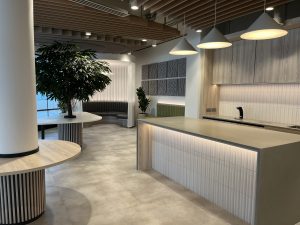
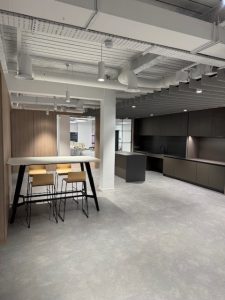
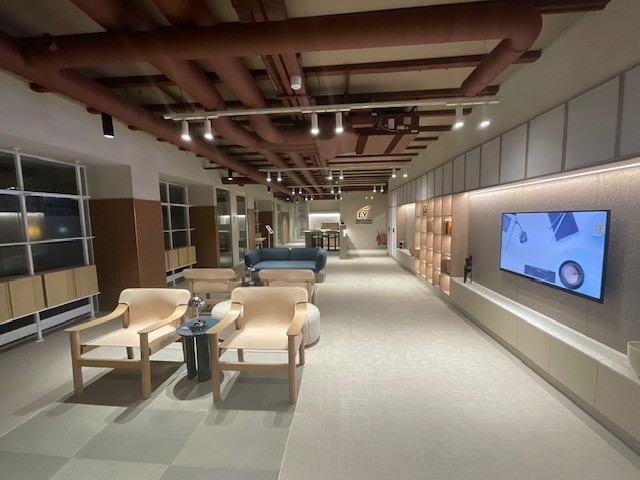
Explore our recent case studies to see how we have implemented these solutions across a range of commercial properties:
Ready to Reduce Your Building’s Energy Costs?
Work with our M&E team to see how a tailored smart lighting strategy can upgrade your commercial property. Visit our services page, contact our team online or call our office on +44 (0) 28 9099 0331 today.